
The Evolution of Shopping: Trends, Innovations, and Consumer Behavior in the Modern Marketplace
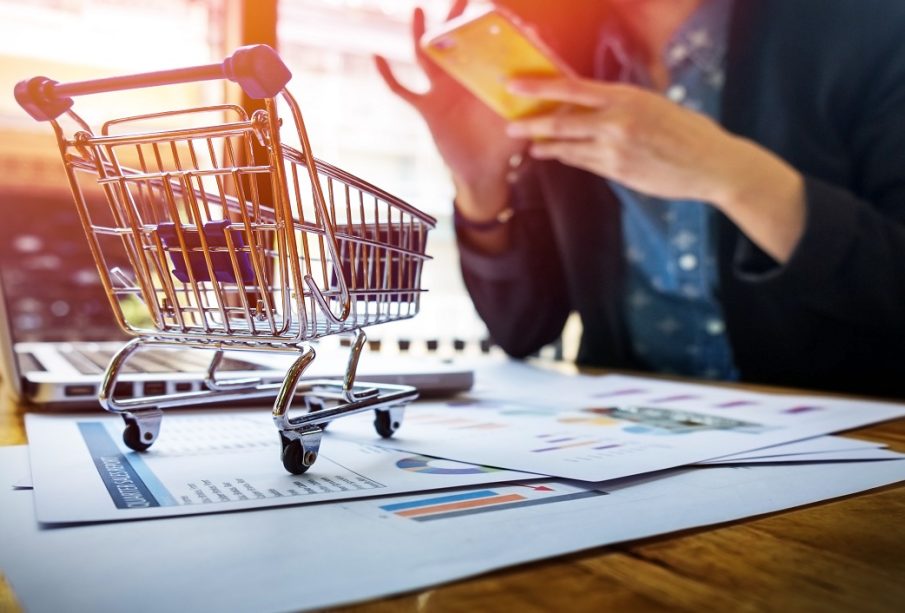
Shopping is more than a transactional activity; it is a reflection of culture, technology, and consumer behavior. The modern shopping experience encompasses both traditional in-store interactions and digital platforms, integrating convenience, personalization, and innovation. Understanding the dynamics of shopping, from consumer psychology to emerging retail trends, is crucial for businesses, marketers, and shoppers seeking informed choices.
The Historical Evolution of Shopping
Shopping practices have evolved significantly over centuries, influenced by trade, technology, and social developments.
Early Marketplaces and Trade
In ancient civilizations, shopping was primarily conducted in communal markets and bazaars:
- Barter Systems: Early trade relied on exchanging goods and services without monetary systems.
- Local Markets: Villages and towns developed central marketplaces where goods such as grains, textiles, and tools were exchanged.
- Social Interaction: Markets were not only commercial centers but also hubs for social engagement and information exchange.
The Rise of Department Stores
The Industrial Revolution and urbanization transformed shopping habits:
- Department Stores: Large-scale stores offered a variety of goods under one roof, enhancing convenience.
- Consumer Culture: Increased production and disposable income encouraged discretionary spending.
- Window Displays and Marketing: Visual merchandising became an essential tool to attract and engage customers.
Online Shopping Emergence
The late 20th century introduced e-commerce, fundamentally altering shopping behavior:
- Digital Catalogs: Early online stores allowed customers to browse products remotely.
- Secure Payment Systems: Innovations in payment processing enabled safe transactions online.
- Global Reach: Consumers gained access to international markets and niche products.
Key Trends in Modern Shopping
Contemporary shopping reflects the integration of technology, personalization, and sustainability, shaping how consumers interact with brands and products.
E-Commerce and Mobile Shopping
Digital platforms dominate modern shopping experiences:
- Convenience: Shoppers can browse, compare, and purchase products anytime and anywhere.
- Personalized Recommendations: AI-driven algorithms suggest products based on browsing history and preferences.
- Subscription Services: Monthly or seasonal product delivery enhances convenience and brand loyalty.
Omnichannel Retail Strategies
Retailers are blending physical and digital experiences:
- Click-and-Collect Services: Consumers order online and pick up in-store, combining convenience with immediacy.
- Integrated Inventory Systems: Real-time tracking ensures product availability across multiple channels.
- Consistent Brand Experience: Unified branding and service standards across online and offline platforms strengthen consumer trust.
Sustainable and Ethical Shopping
Consumers increasingly prioritize environmental and social responsibility:
- Eco-Friendly Products: Sustainable materials and packaging appeal to environmentally conscious buyers.
- Fair Trade Practices: Transparency in supply chains ensures ethical labor and production standards.
- Minimal Waste Consumption: Preference for durable and multifunctional products reduces environmental impact.
Experiential Retail
Modern shoppers value experiences alongside products:
- Interactive Store Layouts: In-store demonstrations, virtual try-ons, and immersive environments enhance engagement.
- Community Events: Workshops, product launches, and social gatherings create meaningful interactions.
- Sensory Engagement: Lighting, scent, and tactile experiences influence purchase behavior and brand perception.
Psychological Drivers of Shopping Behavior
Understanding consumer psychology is essential for effective retail strategies:
Emotional and Impulse Buying
Shopping is often influenced by emotional states:
- Mood-Driven Purchases: Consumers may buy products to elevate mood, relieve stress, or reward themselves.
- Impulse Triggers: Promotions, limited-time offers, and visually appealing displays can prompt spontaneous purchases.
- Brand Loyalty and Attachment: Emotional connections with brands influence repeat purchasing decisions.
Social Influence and Trends
Consumers are influenced by social and cultural factors:
- Peer Recommendations: Friends, family, and online reviews affect product choices.
- Influencer Marketing: Social media personalities impact purchasing patterns and brand perception.
- Cultural Norms: Regional and demographic preferences shape shopping trends and product demand.
Decision-Making Processes
Shopping involves rational evaluation and comparison:
- Information Gathering: Consumers research products, read reviews, and compare prices.
- Risk Assessment: Considerations of quality, price, and warranty influence purchase confidence.
- Post-Purchase Behavior: Satisfaction and feedback loops affect repeat buying and brand advocacy.
Innovations Transforming Shopping
Retailers and technology developers are leveraging innovation to redefine shopping experiences.
Artificial Intelligence and Personalization
AI enhances customer engagement and efficiency:
- Product Recommendations: Machine learning predicts consumer preferences based on past behavior.
- Chatbots and Virtual Assistants: AI-driven support provides instant guidance and troubleshooting.
- Predictive Inventory Management: AI forecasts demand, reducing stockouts and overproduction.
Augmented Reality and Virtual Reality
Immersive technologies are reshaping product exploration:
- Virtual Try-Ons: Consumers can see how clothing, accessories, or furniture look before purchase.
- AR Shopping Apps: Interactive overlays provide detailed product information and customization options.
- Immersive Showrooms: Virtual environments allow exploration of product features without physical constraints.
Contactless and Mobile Payments
Modern payment solutions enhance convenience and security:
- Digital Wallets: Mobile payment apps streamline transactions and reduce cash handling.
- Contactless Cards: NFC-enabled cards allow fast and secure in-store payments.
- Integration with Loyalty Programs: Payment systems linked to rewards enhance consumer retention.
Subscription and Direct-to-Consumer Models
Retailers are innovating delivery and engagement strategies:
- Subscription Boxes: Curated products delivered regularly strengthen brand loyalty and customer satisfaction.
- Direct-to-Consumer (DTC): Brands bypass traditional retail channels, offering personalized experiences and pricing flexibility.
- Customized Products: Personalized offerings increase perceived value and consumer satisfaction.
Challenges in Modern Shopping
Despite technological and experiential advancements, shopping faces challenges related to logistics, ethics, and consumer expectations.
Supply Chain Complexity
Global supply chains introduce operational risks:
- Inventory Management: Balancing demand fluctuations with stock availability is critical.
- Shipping and Logistics: Efficient delivery is essential for customer satisfaction in e-commerce.
- Sustainability Concerns: Packaging, transportation emissions, and product sourcing impact ecological responsibility.
Consumer Privacy and Data Security
Digital shopping relies on sensitive consumer information:
- Data Protection: Secure handling of personal and payment information is essential.
- Transparency: Clear privacy policies and consent mechanisms build trust.
- Cybersecurity Threats: Retailers must continuously address hacking and fraud risks.
Market Saturation and Competition
High competition challenges differentiation:
- Brand Differentiation: Unique value propositions are essential to stand out in crowded markets.
- Pricing Pressure: Intense competition often drives discounts and narrow profit margins.
- Consumer Expectations: High expectations for quality, service, and speed demand continuous innovation.
Economic and Social Impact of Shopping
Shopping has broad implications beyond individual transactions:
- Economic Growth: Retail contributes significantly to GDP and employment opportunities.
- Consumer Confidence: Spending patterns reflect broader economic trends and influence market dynamics.
- Cultural Exchange: Globalized shopping introduces consumers to international products, trends, and ideas.
Real-World Applications of Modern Shopping Innovations
Modern shopping innovations enhance convenience, personalization, and engagement:
- Smart Retail Stores: Automated checkouts, digital price tags, and interactive displays improve efficiency.
- Sustainable Practices: Eco-conscious packaging and carbon-neutral delivery models appeal to conscious consumers.
- Integrated Loyalty Programs: Combining rewards, personalized offers, and gamification strengthens brand-consumer relationships.
Frequently Asked Questions (FAQ)
How does e-commerce change traditional shopping behavior?
E-commerce provides convenience, global access, and personalized recommendations, shifting many purchases from physical stores to online platforms.
What role does AI play in modern shopping?
AI personalizes recommendations, assists with customer service, optimizes inventory, and predicts consumer demand to improve overall retail efficiency.
Are sustainable shopping practices impactful?
Yes, choosing eco-friendly products, reusable packaging, and responsible brands reduces environmental impact and encourages ethical consumer behavior.
How do social influences affect shopping decisions?
Reviews, social media trends, and influencer endorsements significantly shape preferences, purchase confidence, and brand loyalty.
Can subscription models enhance consumer engagement?
Subscription boxes and direct-to-consumer models provide convenience, personalized products, and consistent interaction, increasing brand loyalty and satisfaction.
Shopping today is a multifaceted activity influenced by technology, psychology, and social dynamics. By embracing innovations in digital platforms, personalization, sustainability, and experiential design, modern shopping experiences prioritize convenience, engagement, and consumer satisfaction. The seamless integration of online and offline channels, coupled with data-driven insights and ethical practices, ensures that shopping remains a dynamic and essential aspect of contemporary life.





-
How Small Businesses Can Compete With Big Brands
Big brands dominate headlines, search results, and advertising budgets. Yet small businesses ... -
-
-
-