
Home: Creating a Sanctuary That Reflects Comfort, Style, and Functionality
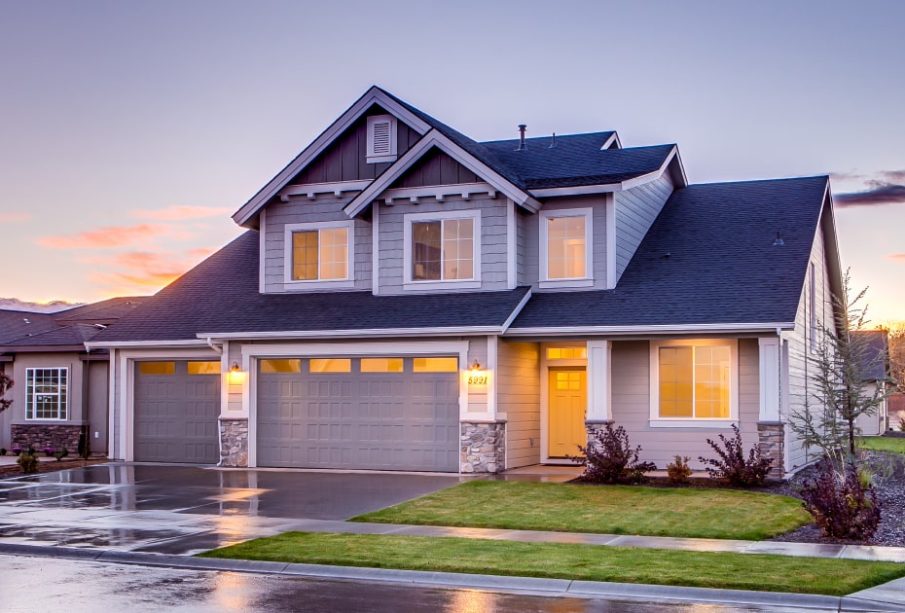
A home is more than a shelter or a physical space; it is an expression of identity, comfort, and lifestyle. From architectural design to interior aesthetics, the essence of a home lies in balancing functionality with personal style. Creating a space that is both inviting and practical requires thoughtful planning, attention to detail, and an understanding of the needs of its inhabitants. Whether you are purchasing a new property, renovating, or simply enhancing your existing space, a well-curated home impacts not only your daily life but also your mental and emotional well-being.
Understanding the Concept of Home
Home is where people feel secure, relaxed, and connected. It serves as a personal sanctuary, a place for family bonding, reflection, and recreation. Unlike other spaces, a home is deeply intertwined with emotion and memory, making it unique to each individual or family. Experts in psychology emphasize that a well-organized, aesthetically pleasing home can reduce stress, enhance productivity, and promote overall happiness.
The Role of Home in Modern Life
In today’s fast-paced world, the concept of home extends beyond a private dwelling. With the rise of remote work, home offices have become essential, blending personal and professional life seamlessly. Homes now serve as multifunctional spaces where living, working, and entertainment converge. Key elements that define a modern home include:
- Functional design: Spaces that optimize movement, accessibility, and efficiency
- Aesthetic appeal: Decor and design reflecting personal taste
- Technological integration: Smart home systems for convenience and security
- Sustainability: Energy-efficient solutions and environmentally conscious materials
Planning Your Home Design
Creating a home that meets both functional and aesthetic goals begins with careful planning. It is crucial to understand your priorities, lifestyle, and long-term needs. Here are essential steps to consider:
Space Assessment
Before making design decisions, evaluate the layout and dimensions of your space. Consider how each room will be used and how traffic flows between them. Assessing the natural lighting, ventilation, and storage options will ensure that each area serves its intended purpose.
Style Selection
Home decor styles range from minimalistic to traditional, contemporary to eclectic. Selecting a coherent style helps unify your space and creates a sense of harmony. Consider incorporating elements that reflect your personality and cultural influences.
Material and Color Choices
Materials and color palettes significantly influence the ambiance of a home. Natural materials like wood, stone, and linen create warmth and texture, while modern materials like glass, metal, and concrete offer a sleek and contemporary feel. Color psychology plays a vital role:
- Neutral tones: Encourage calm and balance
- Bold colors: Add energy and personality
- Earthy shades: Enhance connection with nature
Interior Design Essentials
Interior design is where functionality meets artistry. Every aspect of a home, from furniture to lighting, contributes to the overall experience of living in the space.
Furniture Selection
Furniture should balance comfort, style, and practicality. Key considerations include:
- Ergonomics: Chairs and sofas that support posture
- Multifunctionality: Pieces with storage or adaptable features
- Proportions: Matching furniture size with room dimensions
Lighting Strategies
Lighting impacts both the mood and functionality of a home. A combination of natural light, ambient lighting, task lighting, and accent lighting creates layered and dynamic spaces. Installing dimmers or smart lighting systems allows control over intensity and ambiance.
Storage Solutions
Clutter can compromise both functionality and aesthetics. Innovative storage solutions, including built-in cabinets, modular shelving, and multifunctional furniture, help maintain organization while maximizing space.
Outdoor and Environmental Considerations
A home extends beyond interior spaces. Outdoor areas and environmental design significantly enhance livability.
Landscaping and Outdoor Spaces
Gardens, patios, and balconies contribute to relaxation and connection with nature. Choosing appropriate plants, furniture, and lighting can transform an outdoor area into a functional extension of your home.
Energy Efficiency
Sustainable homes not only reduce environmental impact but also lower long-term utility costs. Consider:
- Solar panels and renewable energy sources
- High-performance windows and insulation
- Water-efficient fixtures
Air Quality and Ventilation
Indoor air quality is critical for health. Using air purifiers, proper ventilation, and non-toxic building materials can minimize allergens and pollutants. Plants like spider plants and peace lilies naturally improve air quality.
Home Security and Technology
Safety is a core component of a comfortable home. Modern security measures and smart technology enhance both convenience and peace of mind.
Smart Home Integration
Smart home devices allow control over lighting, temperature, security systems, and appliances remotely. Benefits include energy efficiency, convenience, and enhanced protection against theft or hazards.
Security Measures
In addition to smart devices, traditional measures like reinforced doors, secure locks, and motion-sensor lights remain effective in ensuring safety. Regular maintenance and system updates are crucial for optimal security.
The Emotional and Psychological Aspects of Home
The feeling of belonging and comfort associated with home has measurable psychological effects. Studies suggest that thoughtfully designed homes:
- Reduce stress and anxiety
- Enhance creativity and focus
- Promote social interaction and bonding
Personal touches, such as photographs, artwork, and meaningful decor, reinforce a sense of identity and connection within the space.
Maintaining a Home
Maintenance is key to preserving both functionality and value. Effective home upkeep includes:
- Regular cleaning and organization
- Routine inspections of plumbing, electrical systems, and structural elements
- Seasonal maintenance like HVAC servicing and roof checks
Proactive care prevents costly repairs and ensures the home remains a safe, enjoyable environment.
Real-Life Tips for Creating a Harmonious Home
- Declutter regularly: Less clutter improves focus and reduces stress
- Incorporate personal touches: Unique decor elements make a house feel like a home
- Use natural materials and textures: Enhances warmth and comfort
- Prioritize functionality: Every element should serve a purpose without compromising style
- Invest in quality: Durable furniture and materials save money long-term
FAQs
How can I make my home feel more spacious?
Using light colors, mirrors, multifunctional furniture, and minimalistic decor can visually expand your living space. Strategic lighting and open layouts also enhance the sense of roominess.
What is the most important factor in home design?
Balance between functionality and aesthetics is key. A home should be comfortable, practical, and visually appealing while reflecting your personal style.
How do I improve home energy efficiency?
Install energy-efficient windows, appliances, insulation, and lighting. Consider renewable energy sources like solar panels and implement smart home systems to monitor and reduce energy consumption.
What is the best way to create a cozy home environment?
Layered lighting, soft textiles, warm colors, and personal decor create a welcoming, comfortable atmosphere. Incorporating natural elements like plants and wood textures also enhances coziness.
How do I maintain my home over time?
Establish a maintenance routine including seasonal checks, cleaning, and updates to critical systems like plumbing, electrical, and HVAC. Regular attention preserves both comfort and property value.
Creating a home that is beautiful, functional, and reflective of personal taste requires deliberate planning, thoughtful design, and consistent care. Every element, from furniture to lighting, contributes to a holistic experience that supports well-being, comfort, and aesthetic satisfaction. Investing time and attention into these aspects ensures that your home becomes a sanctuary where life unfolds harmoniously.
The keyword home has been seamlessly integrated throughout the article, emphasizing its central importance to both physical spaces and emotional well-being.






-
How Small Businesses Can Compete With Big Brands
Big brands dominate headlines, search results, and advertising budgets. Yet small businesses ... -
-
-
-