
The Concept of Home: Design, Functionality, and Well-Being in Modern Living
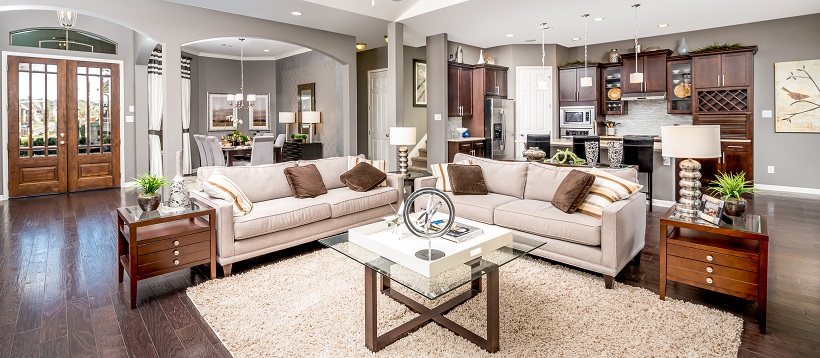
The concept of home extends far beyond physical shelter. It represents a space for comfort, safety, personal expression, and social interaction. In modern society, homes have evolved to reflect technological advancements, sustainability principles, and lifestyle priorities. Understanding the multiple dimensions of home—from architectural design to psychological impact—can guide individuals in creating spaces that support well-being, productivity, and long-term satisfaction.
The Historical Evolution of Home
The idea of home has transformed throughout human history, reflecting cultural, economic, and environmental factors.
Early Dwellings and Communal Living
In ancient civilizations, homes were primarily functional structures designed for survival:
- Natural Materials: Early homes utilized wood, mud, and stone, leveraging local resources.
- Shared Spaces: Communal living allowed for protection, shared labor, and social cohesion.
- Functional Layouts: Early designs focused on shelter, food storage, and defense rather than aesthetic considerations.
Industrialization and Urban Homes
The Industrial Revolution introduced profound changes in housing:
- Urbanization: Rapid population growth led to the construction of multi-story apartments and compact urban dwellings.
- Standardization: Mass production of building materials allowed for affordable and uniform housing.
- Emergence of Private Spaces: Homes began to incorporate bedrooms, living areas, and kitchens for individual family needs.
Contemporary Home Concepts
Modern homes are influenced by technology, design innovation, and lifestyle priorities:
- Open Floor Plans: Emphasis on connectivity and multifunctional spaces.
- Smart Homes: Integration of technology for automation, energy efficiency, and security.
- Sustainable Living: Focus on eco-friendly materials, energy-efficient appliances, and low-impact designs.
Key Trends in Modern Homes
The modern home reflects the intersection of lifestyle, technology, and environmental responsibility.
Smart Home Technology
The rise of smart technology has transformed home functionality:
- Automated Systems: Lighting, heating, and security systems can now be controlled remotely.
- Energy Management: Smart thermostats, energy monitors, and solar panels optimize energy consumption.
- Enhanced Security: Surveillance cameras, smart locks, and AI-driven alerts improve safety.
Sustainability and Green Living
Sustainable home design reduces environmental impact while improving comfort and efficiency:
- Eco-Friendly Materials: Bamboo flooring, recycled insulation, and non-toxic paints reduce ecological footprint.
- Energy Efficiency: Solar panels, high-efficiency appliances, and LED lighting lower energy costs.
- Water Conservation: Rainwater harvesting systems, low-flow fixtures, and smart irrigation support responsible water use.
Multifunctional Spaces
Modern homes are designed to accommodate diverse activities and evolving lifestyles:
- Home Offices: Remote work trends require dedicated, ergonomic workspaces.
- Flexible Rooms: Spaces can transition between leisure, study, or exercise areas.
- Entertainment Zones: Media rooms, gaming spaces, and home theaters enhance family and social interactions.
Health and Wellness Integration
Well-being is increasingly central to home design:
- Indoor Air Quality: Advanced ventilation, air purifiers, and non-toxic materials support respiratory health.
- Natural Lighting: Maximizing daylight exposure improves mood, productivity, and sleep quality.
- Physical Activity: Home gyms, yoga areas, and stair-friendly designs promote regular exercise.
Architectural and Interior Design Innovations
Design trends in homes focus on both aesthetics and functionality, ensuring that spaces are comfortable, efficient, and expressive.
Minimalism and Space Optimization
Minimalist design emphasizes simplicity, decluttering, and efficient use of space:
- Clean Lines: Reducing visual complexity creates a calming environment.
- Multipurpose Furniture: Foldable desks, sofa beds, and modular storage maximize usability.
- Decluttering Strategies: Minimalism encourages intentional acquisition and organization of personal belongings.
Biophilic Design
Incorporating natural elements fosters psychological well-being:
- Indoor Plants: Enhance air quality and provide visual connection to nature.
- Natural Materials: Wood, stone, and water features create calming environments.
- Views and Daylight: Large windows and outdoor access promote mental health and relaxation.
Smart Lighting and Acoustics
Advanced lighting and sound design improve comfort and functionality:
- Circadian Lighting: Adjustable lighting that mimics natural daylight supports sleep patterns.
- Acoustic Solutions: Soundproofing, soft furnishings, and acoustic panels reduce noise pollution.
- Mood and Ambiance: Intelligent lighting systems adjust color temperature and brightness for different activities.
Challenges in Modern Home Living
While modern homes offer convenience and comfort, they also present unique challenges.
Rising Costs and Affordability
Housing affordability is a significant concern in many urban areas:
- Construction Costs: Labor and material expenses impact overall affordability.
- Property Taxes and Maintenance: Ongoing financial obligations may strain household budgets.
- Market Competition: High demand in urban centers increases purchase and rental prices.
Technological Dependence
Smart homes bring convenience but also reliance on technology:
- System Failures: Malfunctioning devices can disrupt daily routines.
- Privacy Concerns: Data collected by smart devices must be managed securely.
- Learning Curves: Older adults or less tech-savvy residents may face challenges in adoption.
Space Limitations
Urban densification often leads to smaller living spaces:
- Storage Constraints: Limited square footage requires creative storage solutions.
- Shared Living Arrangements: Co-living spaces may impact privacy and lifestyle flexibility.
- Functional Design Requirements: Careful planning is necessary to maximize comfort and usability.
Economic and Social Impact of Homes
Homes are central to personal stability, community development, and economic growth:
- Investment Value: Property ownership builds long-term wealth and financial security.
- Community Engagement: Residential planning influences neighborhood cohesion and social interaction.
- Local Economies: Housing construction, renovation, and maintenance contribute significantly to employment and economic activity.
Real-World Applications of Modern Home Innovations
Modern home innovations extend beyond aesthetics, impacting daily life and social dynamics:
- Remote Work Optimization: Home offices and ergonomic setups enhance productivity and work-life balance.
- Sustainable Lifestyle Practices: Energy-efficient appliances and waste reduction initiatives reduce household environmental impact.
- Smart Health Monitoring: Home-integrated devices track air quality, temperature, and energy consumption for optimal comfort and safety.
Frequently Asked Questions (FAQ)
How can smart home technology improve daily living?
Smart systems automate lighting, climate, and security, reduce energy consumption, and provide real-time monitoring for convenience and safety.
What are the benefits of sustainable home design?
Sustainable homes lower energy costs, minimize environmental impact, and promote healthier indoor environments.
How can small homes maximize functionality?
Multipurpose furniture, vertical storage, decluttering strategies, and flexible room layouts optimize space efficiency.
What role does natural light play in home well-being?
Exposure to natural light improves mood, supports sleep patterns, and enhances cognitive performance.
Are home gyms as effective as external fitness centers?
Home gyms provide convenience and privacy, and when combined with proper equipment and structured routines, they can be equally effective.
Homes today are more than mere shelters; they are dynamic environments that influence physical, mental, and social well-being. By integrating smart technology, sustainable practices, and flexible designs, modern homes provide comfort, security, and efficiency. Thoughtful planning ensures that these spaces not only reflect personal style but also enhance long-term health, productivity, and quality of life.





-
How Small Businesses Can Compete With Big Brands
Big brands dominate headlines, search results, and advertising budgets. Yet small businesses ... -
-
-
-