
Emerging Shopping Trends That Could Define the Future of Retail
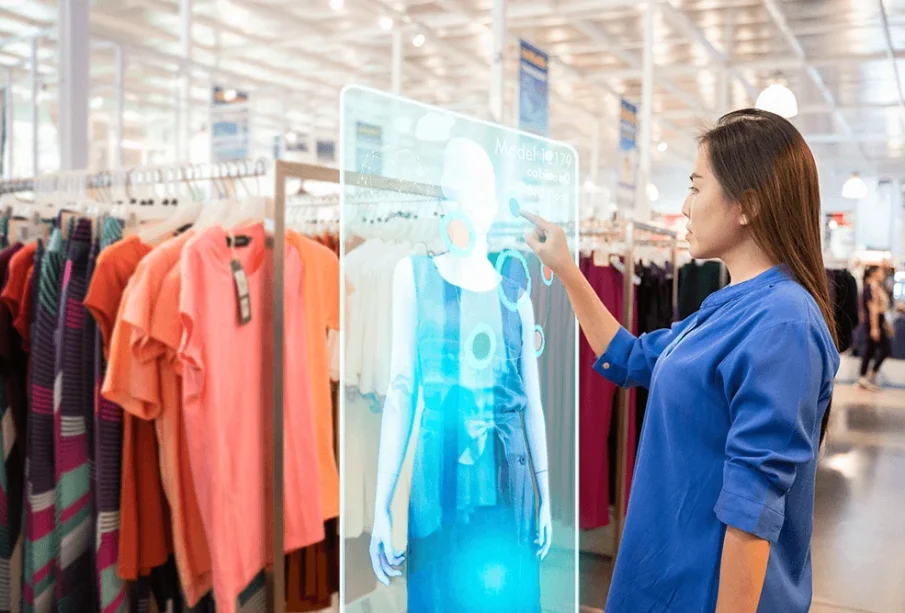
A decade ago, industry analysts routinely forecasted the total collapse of brick-and-mortar storefronts. The narrative was simple and seemingly inevitable: e-commerce would systematically devour physical retail, turning bustling malls into quiet ghost towns and replacing Main Street shops with sprawling automated warehouses.
That predicted apocalypse never fully arrived. Instead of an outright replacement, the retail landscape has undergone a far more complex metamorphosis. Physical storefronts did not disappear; they simply lost their monopoly on convenience. At the same time, traditional digital storefronts—cluttered with generic grid layouts and banner ads—have started feeling just as outdated as dusty bargain bins.
Today, the line separating physical foot traffic from digital browsing has practically vanished. Modern consumers do not compartmentalize their buying habits into neat digital or physical boxes. They bounce between app notifications, curbside pickups, social discovery feeds, and brick-and-mortar showrooms in a single afternoon. Navigating this new reality requires looking past short-lived marketing fads and examining the deeper structural trends transforming how people discover, evaluate, and purchase goods.
The Evolution of the Physical Store into an Experiential Discovery Hub
For generations, the value of a physical retail location was measured by how much inventory it could pack onto metal shelves per square foot. The goal was dense distribution. Today, packing shelves to the ceiling makes little sense when an endless digital catalog sits inside every shopper’s pocket.
Leading brands are radically reimagining the purpose of physical floor plans, converting traditional sales floors into immersive discovery environments. In these redesigned spaces, immediate transactional volume takes a back seat to brand engagement, sensory testing, and product education.
Rather than walking through aisles searching for an employee to unlock a display case, shoppers encounter open lounges, product testing zones, and interactive demonstration stations. The store acts as a high-touch billboard and community anchor. A consumer might test a pair of running shoes on an in-store track, customize an apparel order with a technician, and choose to have the finished items shipped straight to their doorstep by morning.
Behind the scenes, the physical footprint is being split. The front of the building handles hospitality and discovery, while the rear square footage is increasingly converted into a micro-fulfillment hub. By utilizing local backrooms to pack regional online orders and manage rapid same-day deliveries, retailers turn their physical commercial real estate into agile fulfillment networks that rival pure-play digital warehouses.
Augmented Reality and Spatial Visualization Tackle the Return Crisis
E-commerce has always suffered from an expensive vulnerability: the physical uncertainty of the buyer. When a customer cannot touch a fabric, gauge the depth of a sofa, or verify how a pair of sunglasses contours to their face, they compensate by ordering multiple variations or simply abandoning their shopping cart. This uncertainty has created an astronomical reverse logistics crisis, where up to thirty percent of digital apparel purchases end up mailed back, devouring profit margins and creating massive supply chain waste.
Spatial computing and practical augmented reality tools are finally transitioning from gimmicky promotional stunts into essential buying utilities. High-fidelity rendering engines built into everyday smartphones now let shoppers project dimensionally accurate, true-to-scale furniture into their living rooms with millimeter precision.
In fashion and cosmetics, advanced computer vision tracks bone structure and skin undertones, allowing shoppers to test foundation shades or assess how a tailored jacket drapes over their specific build. By eliminating spatial guesswork prior to checkout, these tools offer shoppers genuine purchase confidence while systematically driving down expensive return rates for merchants.
Frictionless Automation and the Redefinition of In-Store Service
Few consumer experiences are more universally frustrating than standing in an agonizingly slow checkout line while holding a handful of items. For years, self-checkout kiosks were offered as the solution, yet they often introduced more friction than they resolved—plaguing customers with unexpected barcode scan errors and robotic voice alerts about unidentified items in bagging areas.
Retail is now moving aggressively toward ambient, frictionless checkout systems. Utilizing an array of overhead computer vision cameras, weight sensors embedded in shelving, and radio-frequency identification tags, modern automated systems track when a shopper picks up an item and simply charges their account as they step out the door.
The value of this technology goes far beyond saving two minutes at the register. By automating the purely administrative mechanics of scanning barcodes and processing debit cards, retailers can redeploy their human workforce. Store associates are liberated from cash wraps and placed back on the sales floor as knowledgeable product specialists, personal stylists, and hospitality coordinators. Automation is not eliminating the human element in stores; it is removing the logistical chores that prevented meaningful human service in the first place.
The Rise of Brand-Led Circularity and Verified Re-Commerce
Secondhand shopping was once confined to thrift outlets, regional flea markets, and peer-to-peer auction sites where buyers accepted significant risks regarding garment condition and counterfeit goods. Today, secondhand trade—now widely categorized as re-commerce—is one of the fastest-growing sectors in the entire retail industry.
Driven by a mix of environmental mindfulness and economic pragmatism, consumers no longer view pre-owned goods as a compromise. Crucially, established brands are no longer ignoring this secondary economy; they are actively building internal infrastructures to capture it.
Major outdoor outfitters, luxury fashion houses, and consumer electronics manufacturers are launching their own certified trade-in and resale platforms. Customers return gently used goods in exchange for brand gift cards. The company cleans, repairs, certifies, and resells the items on a dedicated vintage marketplace alongside their standard new collections.
This circular model yields powerful dividends. It provides price-sensitive shoppers with an entry point to premium brands, proves corporate durability claims, and fosters lifelong customer loyalty by ensuring a product maintains residual resale value long after its initial purchase.
Contextual Commerce and the Disappearance of the Standalone Checkout
Historically, shopping required a deliberate destination. You traveled to a downtown shopping district, drove to a suburban strip center, or sat down at a laptop computer to visit a retailer’s homepage. That paradigm is dissolving into contextual commerce, where the ability to purchase is embedded seamlessly into the fabric of daily digital life.
Consumers can now purchase ingredients directly from an interactive cooking tutorial on a smart refrigerator screen, order automotive supplies via voice command from their vehicle’s dashboard, or buy an outfit featured in a streaming show without ever pausing the broadcast.
The traditional multi-step checkout funnel—filling a cart, entering shipping details, digging out a credit card, and confirming billing addresses—is being compressed into instantaneous single-click background actions powered by universal digital wallets. When the friction between initial inspiration and order confirmation drops to zero, shopping transforms from an intentional chore into a fluid, ambient experience.
The future of retail is not a contest between physical glass-and-steel stores and digital cloud software. The true winners of the coming decade will be the brands that master the seamless interplay between both worlds. By using cutting-edge automation to strip away mundane friction, deploying spatial technologies to build buyer confidence, and transforming physical locations into vibrant cultural hubs, progressive retailers are proving that modern shopping is not just about acquiring goods—it is about delivering effortless, meaningful human connection.






-
The Role of Software Innovation in Building Better Digital Business Solutions
For years, corporate leadership treated software as a secondary support utility—a digital ... -
-
-
-