
Carbon Buildup in Direct Injection Engines: Prevention Guide
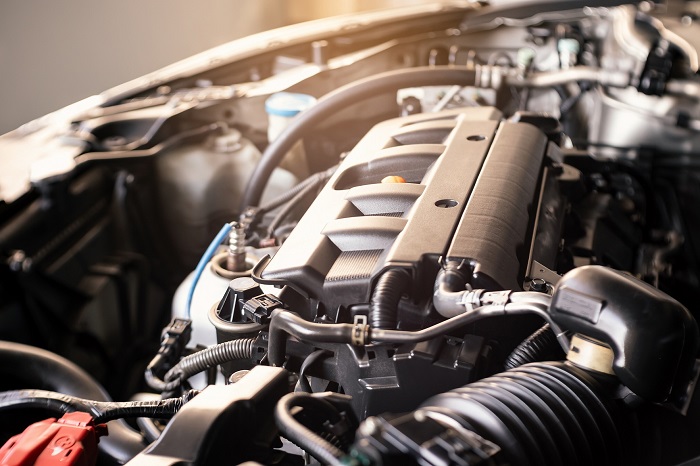
Gasoline Direct Injection, commonly known as GDI, transformed modern automotive engineering. By shooting fuel directly into the combustion chamber at pressures exceeding two thousand pounds per square inch, automakers unlocked remarkable fuel economy, cleaner tailpipe emissions, and spirited horsepower from surprisingly small engine displacements. Today, nearly every major manufacturer relies on direct injection to meet stringent efficiency standards.
Yet, this engineering leap came with an unintended mechanical compromise. Millions of drivers now deal with an insidious problem that rarely plagued older cars: severe carbon buildup along the intake ports and the backsides of the intake valves. Left unaddressed, this accumulation chokes the engine of airflow, robs horsepower, and triggers frustrating misfires.
Preventing carbon deposits in a direct injection engine requires rethinking traditional maintenance habits. Understanding why this accumulation happens and taking a proactive, multilayered approach to care can protect your engine from premature wear and costly teardowns.
Why Direct Injection Engines Are Prone to Valve Deposits
To grasp why direct injection engines struggle with carbon, look at how older port-injected engines operated. In a conventional port fuel injection setup, the fuel injector sits in the intake runner just behind the intake valve. Every time the injector fires, a pressurized mist of gasoline washes over the valve neck and tulip before entering the cylinder. Because commercial gasoline contains potent detergent additives, this constant bath acts as a continuous self-cleaning cycle that prevents oil and combustion residues from adhering to hot metal surfaces.
Direct injection eliminates that cleaning cycle entirely. The injector is relocated directly inside the cylinder head, spraying straight into the combustion bowl. While this optimizes the air-fuel mixture for combustion, the intake valves never see a drop of fuel.
At the same time, the intake tract must process oily vapors routed by the Positive Crankcase Ventilation system, alongside soot recirculated by internal exhaust gas recirculation or variable valve timing overlap. As microscopic droplets of engine oil and unburned hydrocarbons strike the dry, superheated intake valves—which routinely operate between four hundred and six hundred degrees Fahrenheit—they bake in place. Over thousands of miles, these baked residues cross-link into a hard, crusty layer of baked carbon that steadily restricts the flow of incoming air.
Early Warning Signs You Shouldn’t Ignore
Carbon crust does not form overnight; it develops across tens of thousands of miles, making performance degradation subtle at first. However, specific drivability symptoms will alert you before the check engine light illuminates.
-
Rough cold idle: During cold starts, the engine requires a precise air-fuel ratio to run smoothly. Carbon deposits act like microscopic sponges, soaking up fuel vapor and disrupting the incoming air stream, causing the engine to stumble or hunt for idle speed until it warms up.
-
Sluggish throttle response: As deposits build along the intake runner and valve head, the smooth laminar airflow turns turbulent. When you step on the gas, the engine hesitates before delivering power.
-
Reduced fuel economy: The engine control module compensates for erratic air delivery and incomplete combustion by adjusting fuel trims, often resulting in increased fuel consumption for the same driving style.
-
Cold-start misfires: If chunks of carbon harden along the valve seat, they prevent the valve from sealing completely against the cylinder head, leading to momentary compression loss and diagnostic trouble codes such as P0300 through P0304.
High-Impact Preventive Maintenance Strategies
Because fuel additives in your gas tank cannot reach the back of the intake valves, keeping a GDI engine clean requires intercepting the oil and vapor before they reach the intake stream.
Selecting High-Quality Engine Oils With Low NOACK Volatility
The primary source of intake valve carbon is engine oil vapor migrating through the crankcase ventilation system. Not all motor oils resist heat equally. When oil circulates around scorching pistons and turbocharger bearings, lighter oil molecules evaporate into a gaseous mist. This tendency to vaporize is measured by the NOACK volatility rating.
An oil with a high NOACK score loses a larger percentage of its mass to vaporization under high heat, flooding the PCV system with oil mist. When shopping for motor oil, look for full synthetics that meet the latest API SP or ILSAC GF-6 specifications, which require lower volatility and better resistance to deposit formation. High-grade synthetic formulations often exhibit NOACK ratings well below ten percent, dramatically reducing the volume of oil vapor circulating toward your intake valves.
Shortening Oil Change Intervals
Many modern vehicle maintenance schedules recommend oil change intervals of ten thousand miles or more. While modern synthetic basestocks can theoretically lubricate an engine for that long, extended intervals are disastrous for direct injection systems.
As oil ages, it accumulates unburned fuel blow-by, moisture, and soot. This contamination degrades the oil’s additive package and increases volatility, causing the oil to vaporize far more aggressively during the second half of its service life. Adhering to a conservative five-thousand-mile drain interval flushes out contaminants before they break down and coat the intake tract.
Installing an Aftermarket Catch Can
For vehicles that produce substantial crankcase pressure—especially turbocharged GDI platforms—installing a quality air-oil separator or baffled catch can provides the most reliable mechanical defense. Placed inline along the PCV hose between the valve cover and the intake manifold, the catch can routes oily crankcase vapors through internal baffles and metal filtration screens.
As the hot vapor strikes the cooler internal baffles, the oil condenses into liquid droplets and falls into a reservoir, allowing clean, oil-free air to continue into the intake manifold. Emptying this reservoir at every oil change physically prevents ounces of sludge-forming oil from ever touching your intake valves.
Driving Habits and Heat Cycles
Short, stop-and-go commuting is hard on direct injection engines. When an engine never reaches full, sustained operating temperature, the crankcase cannot burn off trapped moisture and fuel dilution, compounding the amount of volatile vapor passing through the PCV valve.
Make a habit of taking your vehicle on regular highway trips of thirty minutes or longer under moderate load. Sustained operating temperatures ensure that the crankcase ventilation system effectively purges moisture and prevents soft oil films on the valves from turning into dense, gummy sludge.
Chemical Cleaners Versus Mechanical De-Carbonization
Even with disciplined preventive habits, direct injection valves will eventually collect light deposits over high mileage. Managing that accumulation involves choosing the right intervention at the right time.
Dedicated intake valve aerosol cleaners can be effective if used as a routine maintenance item every fifteen to twenty thousand miles from low mileage. Sprayed directly into the intake tract past the mass airflow sensor while the engine is running at elevated idle, these concentrated solvents hit the valves directly. While they cannot dissolve thick, hardened crust on a neglected engine with eighty thousand miles, they easily strip away soft, newly deposited oil varnishes.
When carbon deposits become heavy, physical cleaning is the only reliable solution. The industry benchmark is walnut shell blasting. A technician removes the intake manifold, turns the crankshaft until the intake valves of a specific cylinder are sealed completely shut, and blasts crushed walnut shells into the port under compressed air while running a vacuum extraction rig. Walnut shells are hard enough to pulverize stubborn carbon deposits, yet soft enough that they will not scratch the aluminum cylinder head or damage the steel valve stems.
Direct injection engines deliver an exceptional combination of responsiveness and efficiency, but they demand an informed approach to ownership. By running low-volatility synthetic oil, changing it at reasonable intervals, minimizing short trips, and using mechanical or chemical barriers against oil vapor, you can keep your intake valves breathing cleanly for the life of the vehicle.


-
The Role of Software Innovation in Building Better Digital Business Solutions
For years, corporate leadership treated software as a secondary support utility—a digital ... -
-
-
-