
Common Car Engine Problems and Practical Ways to Identify Them Early
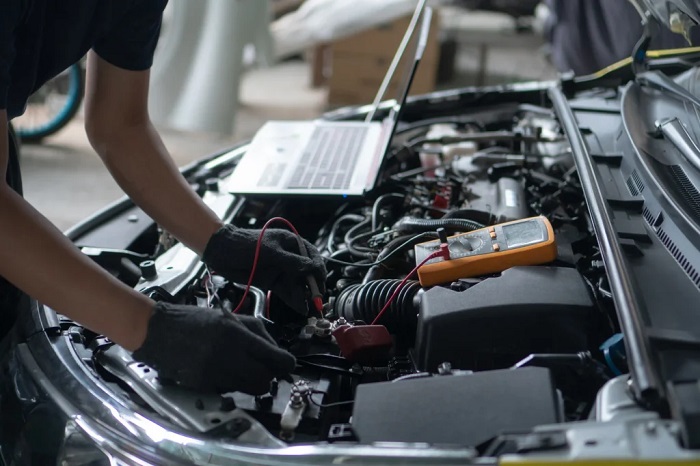
Modern internal combustion engines are remarkable pieces of engineering. Built to tight tolerances and monitored by dozens of microprocessors, they run quietly and efficiently for hundreds of thousands of miles when properly maintained. Yet, because modern cars insulate drivers so thoroughly from road noise and mechanical vibration, small engine defects often develop in near silence.
Most catastrophic engine failures do not happen overnight. Long before a connecting rod punches through an engine block or an overheating cylinder head warps beyond repair, the powertrain communicates through faint acoustic shifts, subtle hesitations, and distinct smells. Learning to tune into these early sensory warnings allows you to catch minor faults while they are still inexpensive to repair, keeping your vehicle dependable and your bank account intact.
Listening Closely: Audible Warning Signs Under the Hood
Unusual noises are usually the first indicators of mechanical distress. Because different components rotate and cycle at predictable intervals, the pitch and cadence of an abnormal sound often pinpoint the faulty system.
Light Tapping or Clicking at Idle
A rapid, rhythmic ticking that speeds up with engine revolution usually points to valvetrain issues. In modern overhead-cam setups, hydraulic valve lifters rely on constant oil pressure to maintain proper clearance against the camshaft lobes. If your oil level drops, if the oil breaks down and thins out, or if sludge blocks the tiny internal oil passages, the lifters lose pressure and begin tapping against the valve stems. While a brief tick on a sub-freezing morning might simply indicate oil that has not yet reached the cylinder head, a persistent tick at normal operating temperatures demands immediate inspection of your oil level and pressure.
High-Pitched Squealing During Acceleration
A sharp, piercing screech when you start the car or accelerate hard rarely stems from the internal rotating assembly. Instead, it almost always originates from the serpentine accessory drive belt. As rubber belts age, they glaze, stretch, and lose grip on accessory pulleys like the alternator, power steering pump, and air conditioning compressor. An automatic belt tensioner that has lost its spring tension will allow the belt to slip under heavy electrical or mechanical load, producing that familiar squeal. Replacing a worn belt or tensioner is simple, but ignoring it can cause the belt to snap mid-drive, instantly killing your alternator and water pump.
Deep, Dull Knocking Under Load
Unlike the light chatter of a lifter, rod knock sounds like a heavy, hollow hammer striking an anvil deep within the crankcase. This sound indicates that the microscopic lubricating film between a connecting rod bearing and the crankshaft journal has collapsed, allowing bare metal surfaces to slam into one another. If you hear a rhythmic thud that gets significantly louder when you apply throttle, stop driving immediately. Running an engine with bearing clearance issues will quickly destroy the crankshaft and ruin the engine block.
Reading the Exhaust: What Smoke Colors Reveal
Under normal conditions, a warm car exhaust should emit virtually invisible gases, occasionally accompanied by light steam in brisk weather. If your tailpipe begins puffing visible, tinted smoke, the color acts as an immediate diagnostic roadmap.
-
Blue or Gray Smoke: This is the signature sign of burning engine oil. If you see a blue haze during cold starts that dissipates after driving, worn valve stem seals are likely allowing oil to seep down into the combustion chambers while the vehicle sits parked. If the blue smoke pours out continuously under hard acceleration, the piston rings or cylinder cylinder walls have worn down, allowing crankcase oil to bypass the piston and burn alongside the fuel.
-
Dense, Billowing White Smoke: A thick plume of white exhaust that lingers in the air and smells distinctly sweet indicates that engine coolant is entering the combustion chamber. This happens when an engine overheats and causes the cylinder head to warp, breaching the head gasket seal, or when the cylinder head itself cracks. Coolant burns into vapor, producing steam that smells of ethylene glycol.
-
Heavy Black Smoke: Dark, sooty exhaust means the engine is running excessively rich, burning far more gasoline than the available air can handle. The root cause could be as simple as a severely clogged engine air filter, or more complex issues like a leaking fuel injector, a faulty oxygen sensor, or a dirty mass airflow sensor feeding bad intake data to the engine control computer.
Spotting Fluid Leaks and Checking Liquid Health
Fluids are the lifeblood of an engine, performing the vital tasks of cooling, lubricating, and cleaning internal components. Monitoring both the level and the physical appearance of these liquids provides clear insight into internal component health.
Get into the habit of glancing at the ground beneath your parking spot once a week. Motor oil leaves an amber-to-dark-brown stain with a slick, greasy texture. Engine coolant feels watery, has a sweet scent, and appears in bright shades of green, pink, orange, or blue depending on the manufacturer specification.
When you pull the engine oil dipstick, look beyond the level marker. Healthy oil is translucent amber or golden brown. If the oil looks frothy, opaque, and resembles chocolate milkshake, coolant is mixing directly into the crankcase. That emulsion destroys the oil’s ability to lubricate high-friction surfaces and points to a blown head gasket or failing oil cooler. Conversely, if the oil smells heavily of raw gasoline and feels unusually thin between your fingers, excessive fuel is washing past the piston rings, which rapidly accelerates bearing wear.
Subtle Shifts in Acceleration and Idle Quality
Sometimes an engine problem shows up in how the car feels rather than how it looks or sounds. Modern engine computers compensate aggressively for component wear, but they cannot hide significant fuel or spark delivery failures.
If your car vibrates noticeably while stopped at a red light, the engine is experiencing a rough idle. Common culprits include vacuum leaks from cracked rubber intake hoses, carbon buildup along the electronic throttle body plate, or failing spark plugs struggling to ignite the air-fuel mixture.
Similarly, if you step down on the gas pedal to pass another vehicle on the highway and feel a flat, stuttering sensation before the car picks up speed, you are feeling a high-load misfire. This is frequently triggered by a tired ignition coil pack breaking down under electrical resistance, or a weak fuel pump unable to maintain adequate line pressure when demand spikes.
Clogged catalytic converters also reveal themselves through sluggish performance. When an engine burns oil or raw fuel over an extended period, the internal ceramic honeycomb inside the exhaust converter melts or plugs up with soot. The resulting exhaust backpressure chokes the cylinders, leaving the car feeling completely gutless on hills regardless of how hard you press the accelerator.
Paying attention to your vehicle requires no specialized tools—just consistent observation. By recognizing early changes in sound, spotting shifts in fluid appearance, and taking note of minor drivability quirks, you can address mechanical wear before it leaves you stranded on the shoulder. Treating early symptoms promptly remains the most reliable strategy for keeping any vehicle running smoothly over the long haul.



-
The Role of Software Innovation in Building Better Digital Business Solutions
For years, corporate leadership treated software as a secondary support utility—a digital ... -
-
-
-